Passenger Transport
Control and traceability of passenger transport service. Companies providing urban, interurban, or special (school, labor) transport. It focuses on the compliance with schedules, passenger safety, real-time monitoring, line planning, and validation of the service provided (including for subsidies).

Application cases
Urban Passenger Transport
· Real-time monitoring of units: location, status, and frequency compliance of each bus.
· Route and stop validation: control of route, compliance with authorized schedules.
· Onboard safety management: alerts for sudden braking, speeding, incidents.
· Service audit for subsidies: objective evidence of compliance with the contracted service.
· Optimization of frequencies and fleet: dynamic reassignment of units according to real-time demand.
· Critical operation alerts: detours, delays, mechanical failures, or emergencies en route.
· Driver performance evaluation: driving score and compliance with protocols.
Intercity Passenger Transport
· Route Control for Medium and Long Distances: complete traceability of authorized routes.
· Driver Change Management: digital record of shifts, compliance with mandatory rest times.
· Monitoring of Safety Conditions: speeding, unauthorized detours, risk areas.
· Automatic Recording of Driving Times: start and end of shifts, effective driving times.
· Alerts on Route and Remote Assistance: notification of incidents, emergencies, or mechanical failures.
· Regulatory Compliance Audit: evidence for regulatory bodies regarding rest periods and protocols.
· Passenger Experience Management: reports on schedule compliance, comfort, and safety.
Value: ensures efficient and transparent use of public assets, reduces operational costs, and reinforces citizen trust in government management.
Value: greater transparency of the service, improved security, and optimization of resources.
Value: transparency in travel management, reduction of operational costs, and improvement in the safety of personnel in mobility.
Value: improves safety on long trips, provides information, and strengthens the passenger's confidence in the quality of service.
Value: greater transparency of the service, improved security, and optimization of resources.
Value: improves safety on long trips, provides information, and strengthens the passenger's confidence in the quality of service.
Explore more about other fields of application
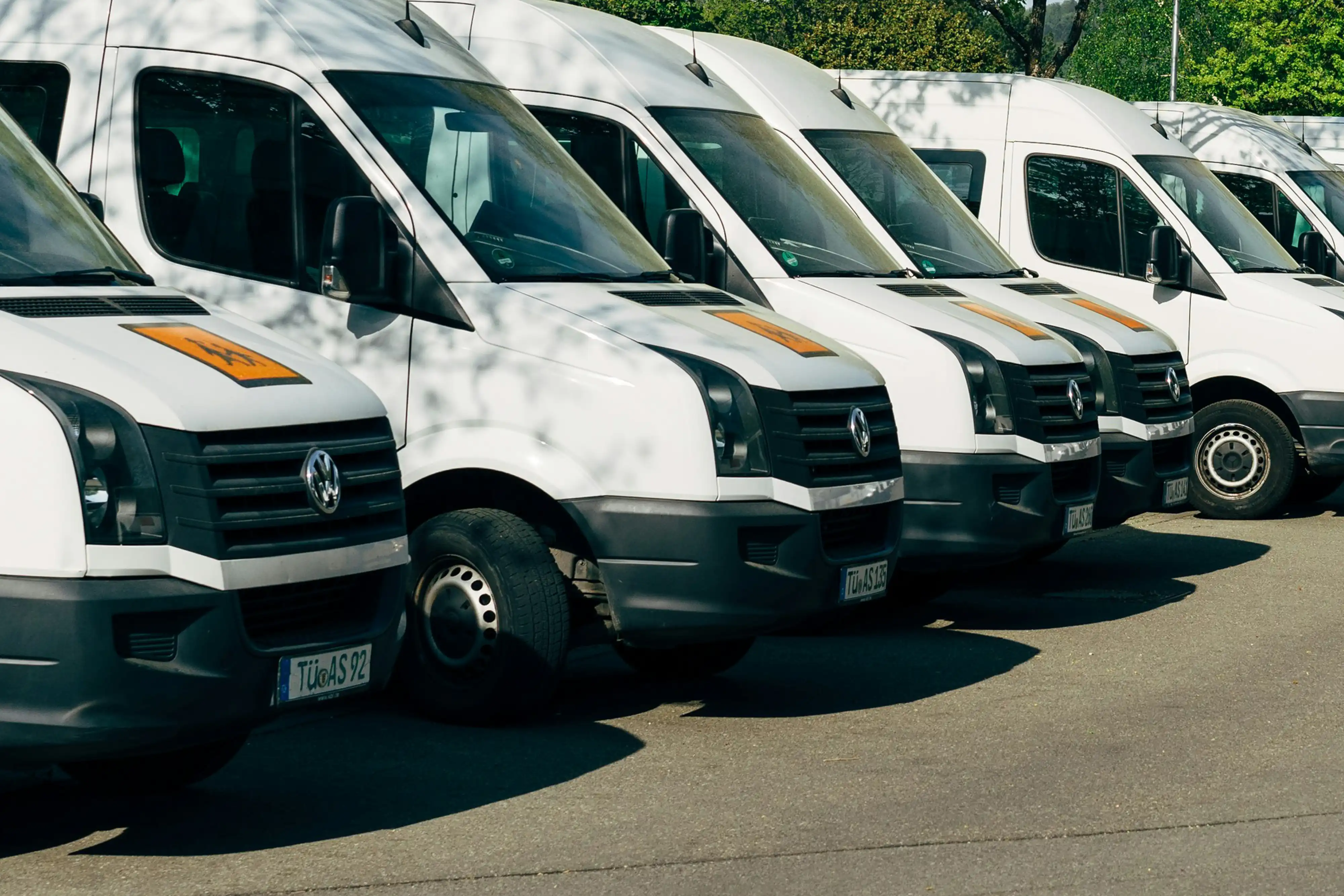

Urban Passenger Transport
· Real-time monitoring of units: location, status, and frequency compliance of each bus.
· Route and stop validation: control of route, compliance with authorized schedules.
· Onboard safety management: alerts for sudden braking, speeding, incidents.
· Service audit for subsidies: objective evidence of compliance with the contracted service.
· Optimization of frequencies and fleet: dynamic reassignment of units according to real-time demand.
· Critical operation alerts: detours, delays, mechanical failures, or emergencies en route.
· Driver performance evaluation: driving score and compliance with protocols.
Intercity Passenger Transport
· Route Control for Medium and Long Distances: complete traceability of authorized routes.
· Driver Change Management: digital record of shifts, compliance with mandatory rest times.
· Monitoring of Safety Conditions: speeding, unauthorized detours, risk areas.
· Automatic Recording of Driving Times: start and end of shifts, effective driving times.
· Alerts on Route and Remote Assistance: notification of incidents, emergencies, or mechanical failures.
· Regulatory Compliance Audit: evidence for regulatory bodies regarding rest periods and protocols.
· Passenger Experience Management: reports on schedule compliance, comfort, and safety.
Value: greater transparency of the service, improved security, and optimization of resources.
Value: improves safety on long trips, provides information, and strengthens the passenger's confidence in the quality of service.