Specialized machinery
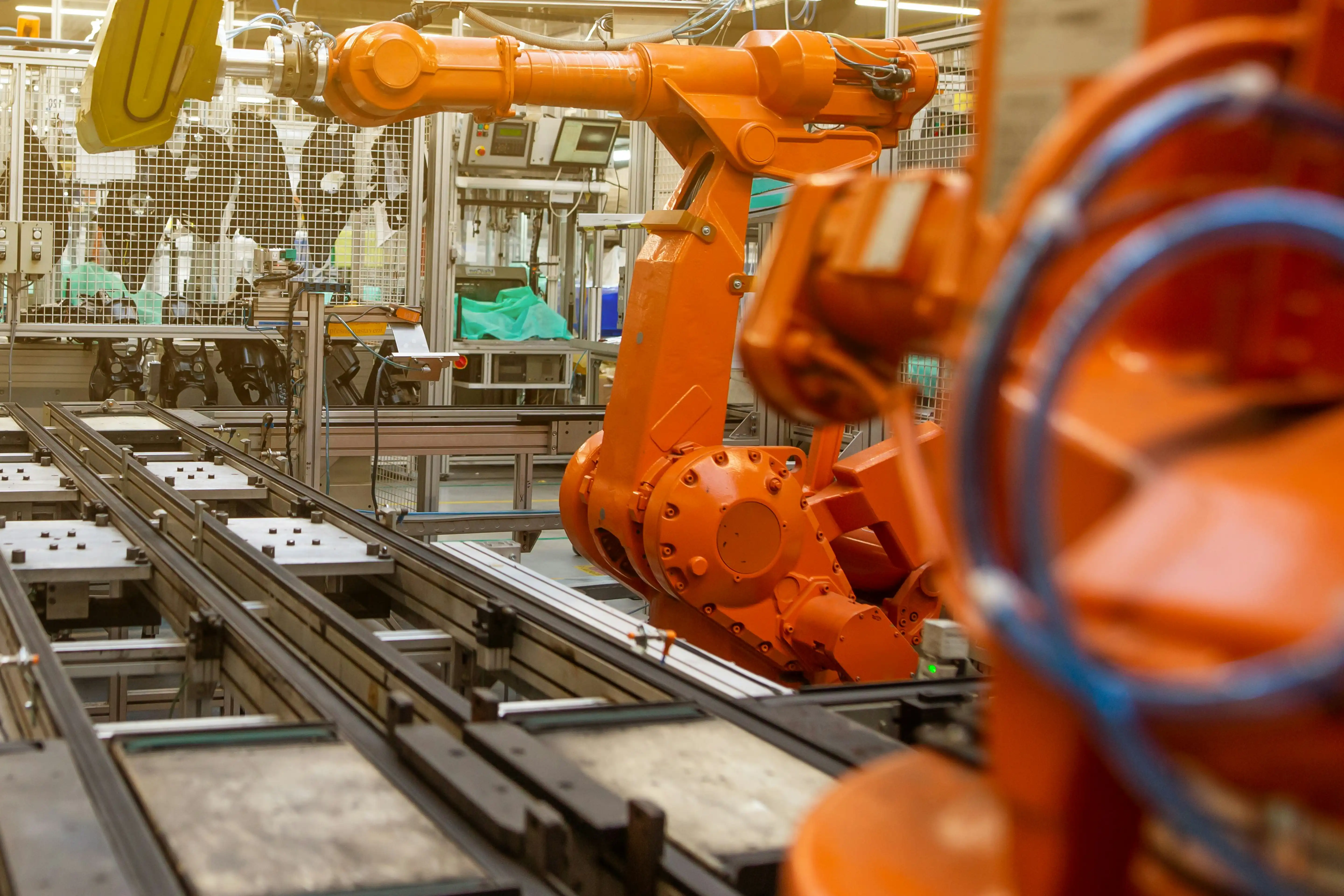
Management, traceability, and maintenance of high-value, highly critical, or specially operational condition equipment used in demanding or remote environments. Companies that operate heavy, industrial, or specialized machinery outside urban environments, which require operational tracking, safety, efficiency, and maximum availability. Common characteristics include: large or valuable equipment (e.g., excavators, drill rigs, cranes, bulldozers), operation in hostile or remote environments, critical need for predictive maintenance and constant monitoring, specialized operators, and direct impact of use on costs, productivity, and safety.
Application cases
Management of machinery in critical environments (mining, gas, etc)
· Real-time monitoring of critical equipment: cranes, drillers, mining trucks, equipment in wells.
· Predictive maintenance in hostile environments: alerts for vibrations, temperature, pressure, or wear.
· Safety management in critical operations: access control, alerts for incidents and risky movements.
· Optimization of utilization and availability: redistribution of equipment among projects or work fronts.
· Communication in remote areas: support with satellite network in operations without terrestrial coverage.
· Regulatory and environmental compliance: record of emissions, spills, or safety protocols.
· Complete traceability for audits: digital evidence of use, maintenance, and safety of the equipment.
Operational continuity and security of critical machinery
· Monitoring of extreme operating conditions: temperature, pressure, vibrations, loads.
· Early detection of critical failures: predictive algorithms based on sensor data.
· Management of planned technical stops: reduction of downtime and impacts on production.
· Comprehensive asset security: alerts for misuse, sabotage, intrusion or unauthorized access.
· Compliance with international standards: digital support for ISO, industrial and environmental safety regulations.
· Integration with control centers: direct connection with SCADA systems or industrial platforms.
· Digital evidence for audits: backup for clients, regulators, and insurers.
Value: ensures efficient and transparent use of public assets, reduces operational costs, and reinforces citizen trust in government management.
Value: maximizes the availability of critical machinery, ensures operational continuity in extreme environments, and reinforces regulatory and environmental compliance.
Value: transparency in travel management, reduction of operational costs, and improvement in the safety of personnel in mobility.
Value: ensures the continuous operation of high-value equipment, reduces financial and security risks, and strengthens the reliability of critical operations.
Value: maximizes the availability of critical machinery, ensures operational continuity in extreme environments, and reinforces regulatory and environmental compliance.
Value: ensures the continuous operation of high-value equipment, reduces financial and security risks, and strengthens the reliability of critical operations.
Explore more about other fields of application
Management of machinery in critical environments (mining, gas, etc)
· Real-time monitoring of critical equipment: cranes, drillers, mining trucks, equipment in wells.
· Predictive maintenance in hostile environments: alerts for vibrations, temperature, pressure, or wear.
· Safety management in critical operations: access control, alerts for incidents and risky movements.
· Optimization of utilization and availability: redistribution of equipment among projects or work fronts.
· Communication in remote areas: support with satellite network in operations without terrestrial coverage.
· Regulatory and environmental compliance: record of emissions, spills, or safety protocols.
· Complete traceability for audits: digital evidence of use, maintenance, and safety of the equipment.
Operational continuity and security of critical machinery
· Monitoring of extreme operating conditions: temperature, pressure, vibrations, loads.
· Early detection of critical failures: predictive algorithms based on sensor data.
· Management of planned technical stops: reduction of downtime and impacts on production.
· Comprehensive asset security: alerts for misuse, sabotage, intrusion or unauthorized access.
· Compliance with international standards: digital support for ISO, industrial and environmental safety regulations.
· Integration with control centers: direct connection with SCADA systems or industrial platforms.
· Digital evidence for audits: backup for clients, regulators, and insurers.
Value: maximizes the availability of critical machinery, ensures operational continuity in extreme environments, and reinforces regulatory and environmental compliance.
Value: ensures the continuous operation of high-value equipment, reduces financial and security risks, and strengthens the reliability of critical operations.